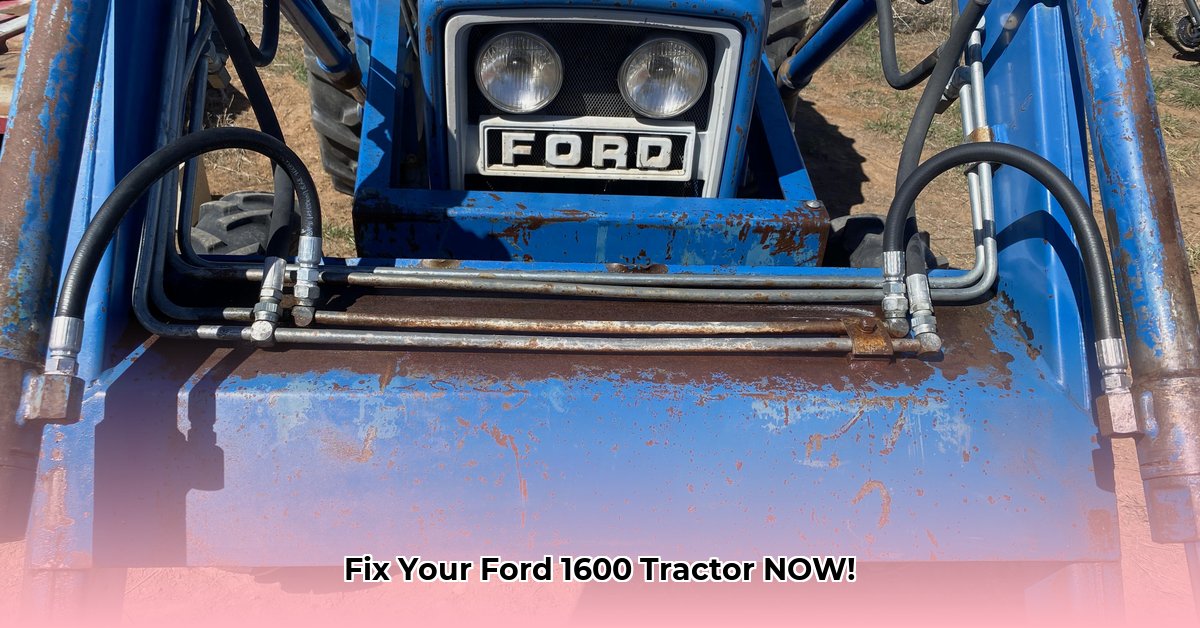
Ford 1600 Tractor Problems: A Comprehensive Troubleshooting Guide & Review
Owning a classic Ford 1600 tractor offers a rewarding experience, but like any older machine, it presents unique challenges. This guide provides practical solutions for common issues, preventative maintenance advice, and a balanced review to help you decide if a Ford 1600 is the right tractor for your needs. Whether you're a seasoned mechanic or a weekend warrior, we'll equip you with the knowledge to keep your tractor running smoothly. For more in-depth information, check out this detailed guide.
Key Takeaways:
- The Ford 1600's simplicity makes many repairs achievable for the mechanically inclined owner. However, some systems, like the hydraulics, require specialized knowledge.
- Regular preventative maintenance significantly reduces the likelihood of costly repairs. A neglected tractor will inevitably lead to expensive downtime.
- While parts are generally available, finding specific components for this older model can sometimes be challenging.
Fuel System Troubles: Keeping Your Ford 1600 Running
A sputtering engine or complete failure to start often signals problems within the fuel system. Let's address these common issues:
Step 1: The Obvious Check – Is the Tank Empty? Before diving into complex repairs, verify you have fuel. Simple solutions often solve the problem.
Step 2: Inspecting Fuel Lines: Carefully examine the lines for cracks, leaks, or kinks. Replace any damaged lines immediately. Ignoring small leaks can lead to significant fuel loss and engine damage.
Step 3: Fuel Filter Replacement: A clogged fuel filter restricts fuel flow. Regular replacement is vital preventative maintenance. How often should you replace the filter? Consult your owner's manual for specific recommendations. Many experienced owners suggest bi-annual changes, or more often in dusty conditions.
Step 4: Fuel Pump Assessment: If problems persist after steps 1-3, the fuel pump may be faulty. Testing and replacement may require mechanical expertise; consult your manual. This step may necessitate professional help.
Hydraulic Headaches: Understanding and Maintaining Your Tractor's Hydraulic System
Hydraulic systems control essential tractor functions. Understanding these systems prevents costly repairs.
Step 1: Fluid Level Check: Low hydraulic fluid is a frequent problem. Regularly check and top off with the recommended fluid type. Using the wrong fluid can damage the system.
Step 2: Identifying Leaks: Even a small leak requires attention. Inspect for wet spots or fluid trails. Prompt repairs prevent larger problems.
Step 3: Listening for Unusual Noises: Whining or groaning noises often indicate internal hydraulic problems. Pay close attention to these. This is a sign to investigate further.
Step 4: Seeking Professional Help: If problems persist, consult a mechanic. Hydraulic systems are complex; expert help is often necessary. Don't hesitate to get professional assistance.
Transmission Troubles: Addressing Shifting Difficulties
Transmission issues in Ford 1600s range from challenging shifts to complete failure.
Step 1: Transmission Fluid Check: Low or contaminated transmission fluid impacts performance. Check the level and condition of your fluid regularly.
Step 2: Listening for Unusual Sounds: Grinding or whining sounds during operation suggest internal damage and require professional attention. These noises indicate internal problems.
Step 3: Seek Professional Assistance: If you encounter difficult shifting or unusual noises, seek professional help. Transmission repairs are complex. Don't attempt these repairs yourself unless you are experienced working on transmissions.
Engine Overheating: Preventing Engine Damage
Overheating is serious and can cause irreversible damage.
Step 1: Coolant Level Check: Low coolant is often the culprit. Regularly inspect and top-off with the proper type of coolant.
Step 2: Radiator Inspection: A clogged radiator impedes airflow. Inspect for debris and clean or replace as needed.
Step 3: Cooling Fan and Belt Check: A malfunctioning fan or broken belt will directly lead to overheating. Check these regularly.
Step 4: Professional Review: If overheating continues, take your tractor to a mechanic for inspection.
Ford 1600: A Balanced Review
Before purchasing or continuing use, understanding the tractor's pros and cons is wise.
Pros: Reliable and durable with proper maintenance. Relatively affordable considering capabilities. Ideal for lighter yard tasks. Parts are generally available.
Cons: Primarily 2WD, limiting off-road capabilities. Mechanical issues are common. Lower power output may limit attachment use. Finding specific parts can sometimes be challenging.
The Ford 1600 excels in lighter yard work, but its age and limitations must be considered. A pre-purchase inspection by a qualified mechanic is highly recommended. Regular maintenance is crucial for long-term operation. Don't hesitate to seek professional assistance for complex repairs.